Minimally invasive surgery
Minimally invasive gynecological surgery
We operate through small incisions, with a camera and delicate instruments, to treat various conditions while caring for your body and your recovery.
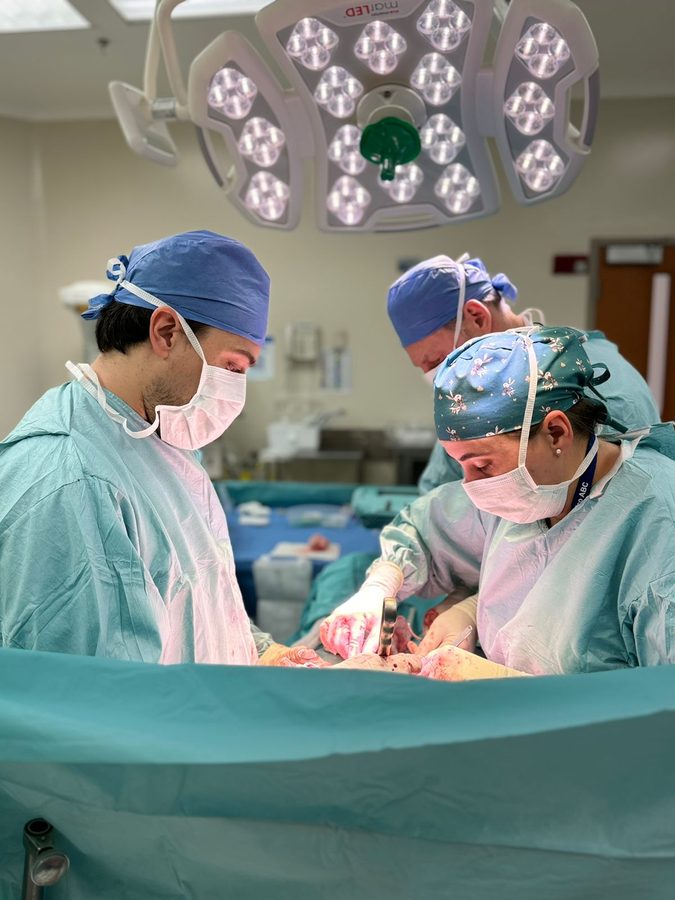
We operate through small incisions, with a camera and delicate instruments, to treat various conditions while caring for your body and your recovery.
Instead of a large wound, minimally invasive surgery is performed through a few very small openings. Through them, a camera that magnifies the internal image and fine instruments are introduced to operate. This way the surgeon sees in great detail and works with precision, touching healthy tissue as little as possible.
It's used both to diagnose and to treat, and often allows the problem to be resolved while preserving your organs and your fertility.
Endometriosis deserves expert surgery. Deep disease requires specific training that not every surgeon has, and treating it well can relieve pain and protect your fertility. That's why we give it a dedicated page, with everything you need to know.

Compared with traditional open surgery, the minimally invasive approach usually offers:
Tiny cuts instead of a large wound, with minimal scarring.
By harming less tissue, discomfort after surgery is usually lower.
Most return sooner to their daily life and activities.
In many cases, discharge is the same day or the next.
Being less invasive, some complications decrease.
When possible, the uterus, ovaries and your fertility are preserved.
Benefits vary by person and case. Not all situations are candidates for a minimally invasive approach: some require a different one, and your doctor will explain this clearly after the assessment.
Minimally invasive diagnosis and treatment for:
Benign uterine tumors; removed while preserving the uterus (myomectomy).
Small growths in the uterus or cervix that are removed.
Tissue similar to the uterine lining that grows outside it; the lesions are treated.
When that tissue grows within the uterine wall.
Endometriosis cysts in the ovary.
Removed while preserving healthy tissue whenever possible.
Assessment and treatment of lesions associated with the human papillomavirus.
Detailed examination of the cervix to detect and monitor lesions.
Examination and treatment of the inside of the uterus (polyps, septa and other alterations) without incisions.
Removal of the uterus through a minimally invasive approach when indicated.
Study and treatment of persistent pelvic pain.
Procedures aimed at caring for and improving your chances of pregnancy.
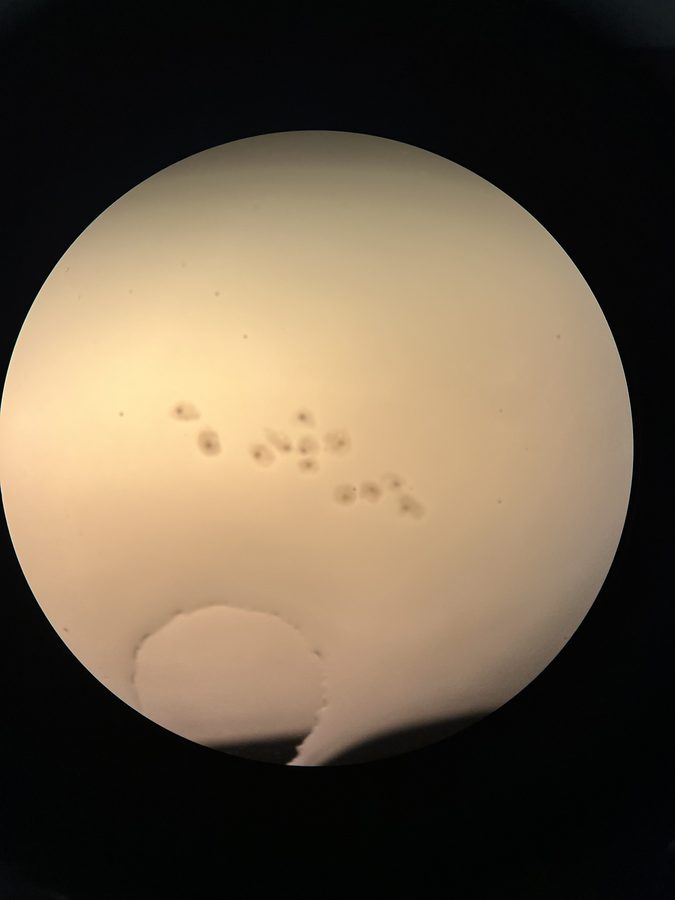
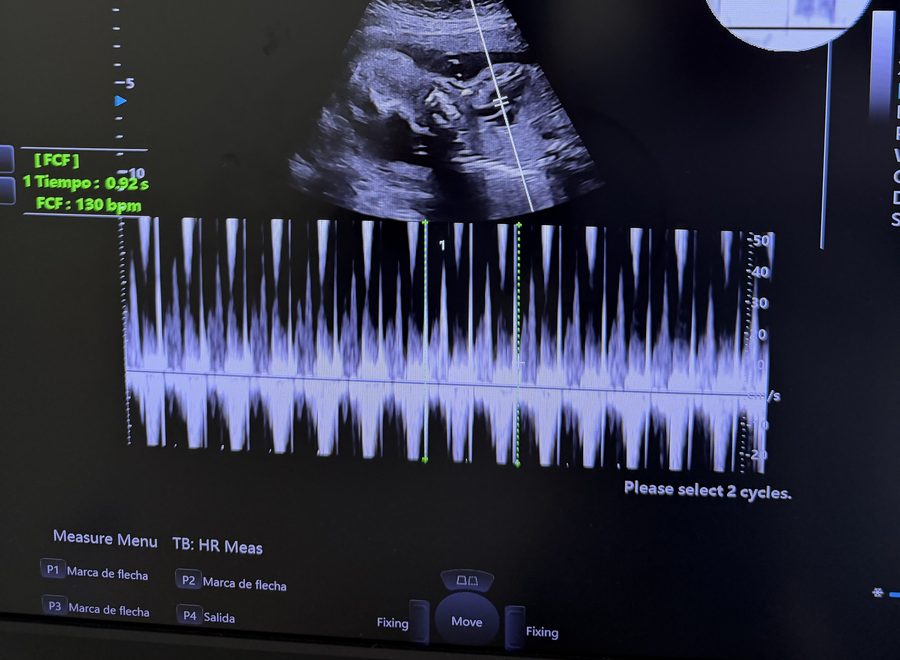
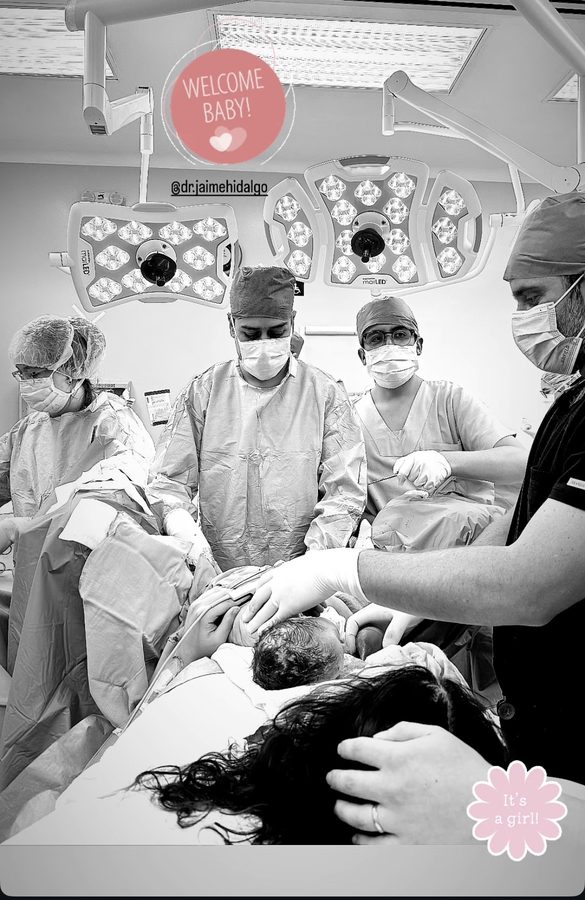
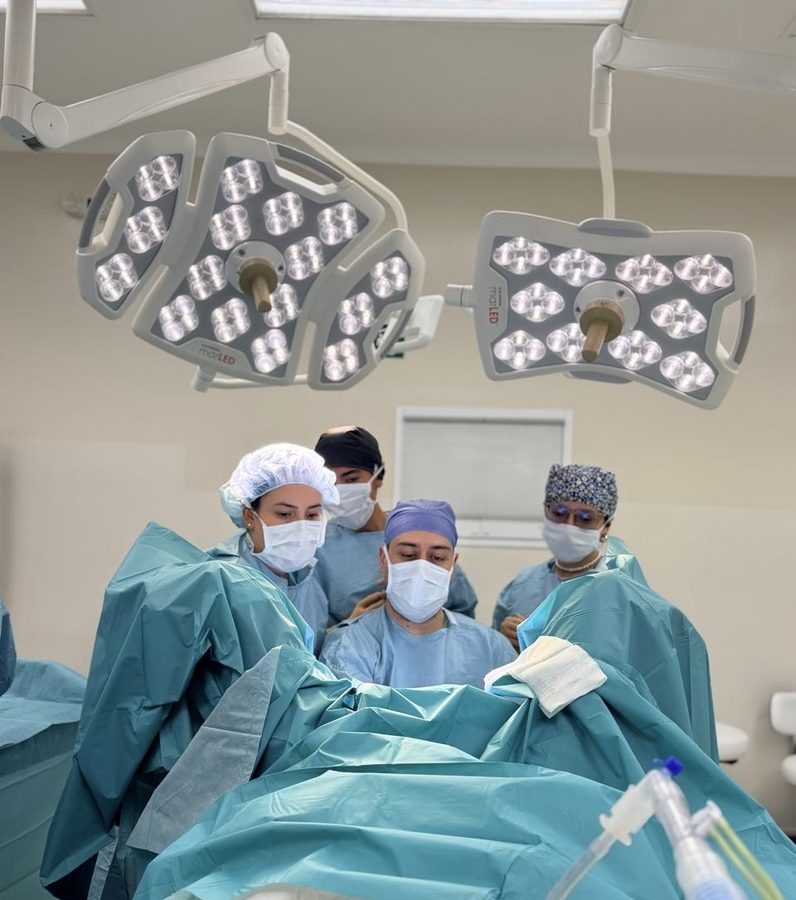
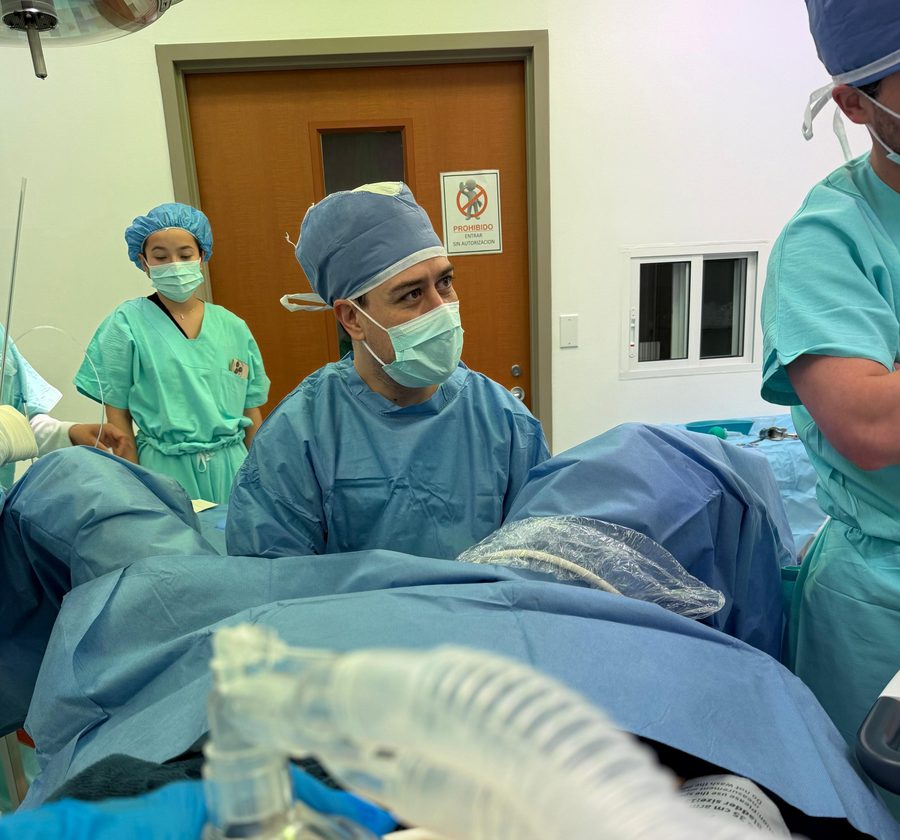
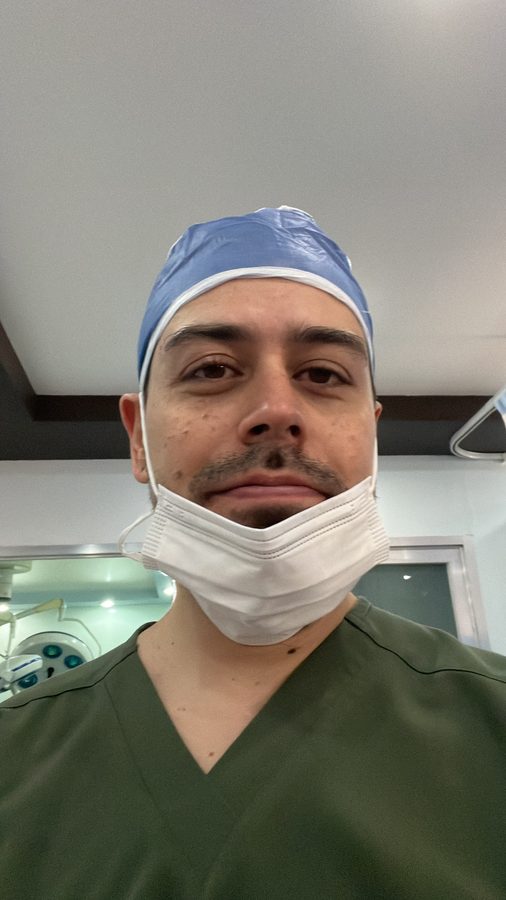
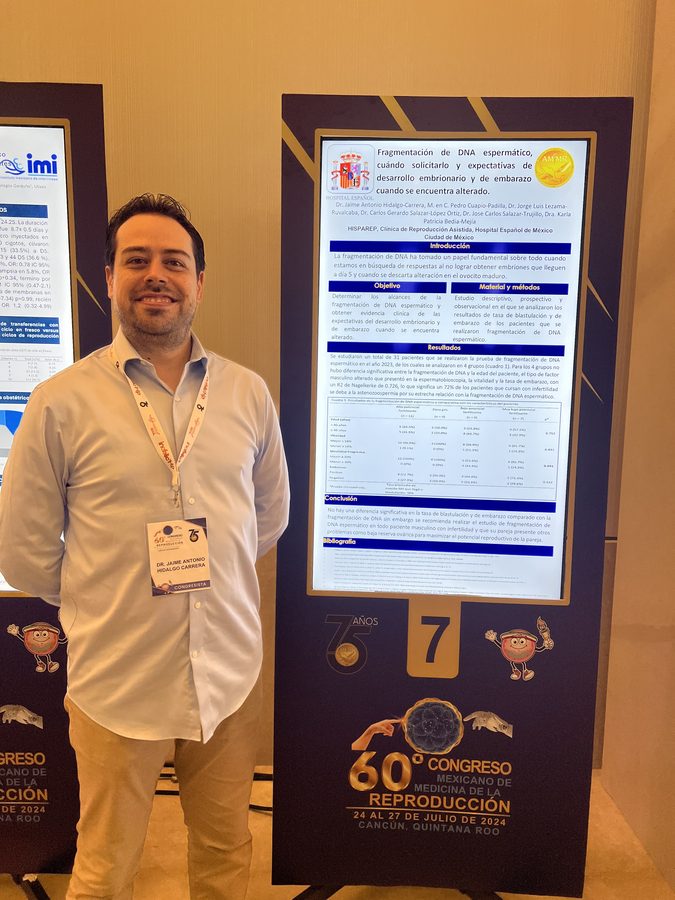
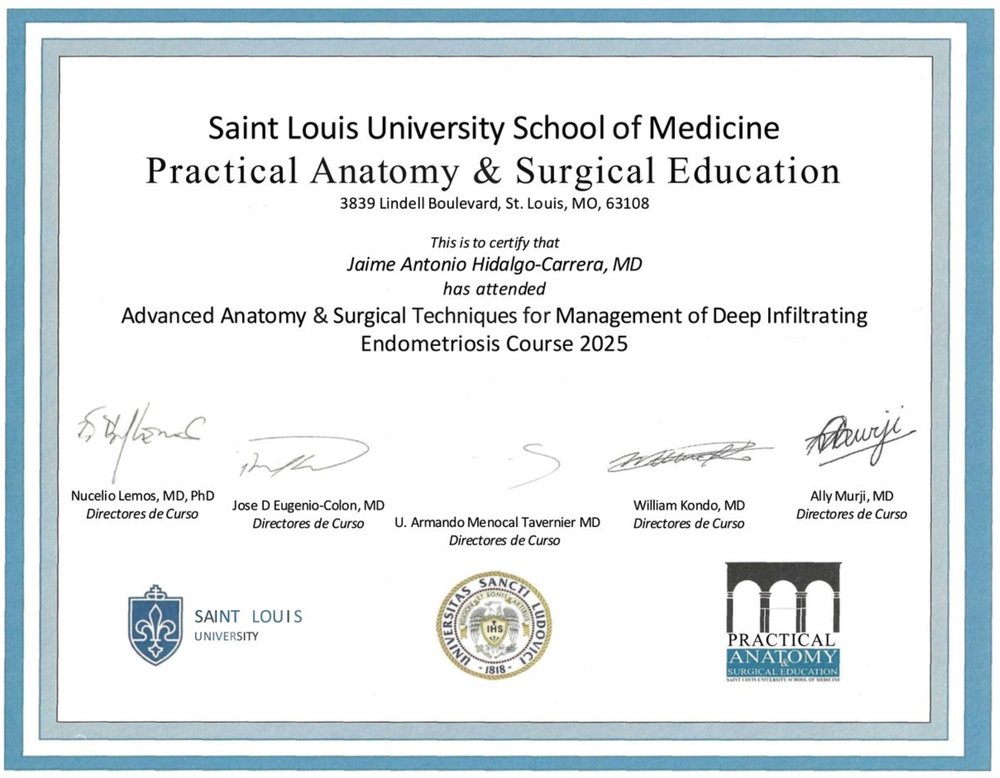
Moments of surgery and continuing education.
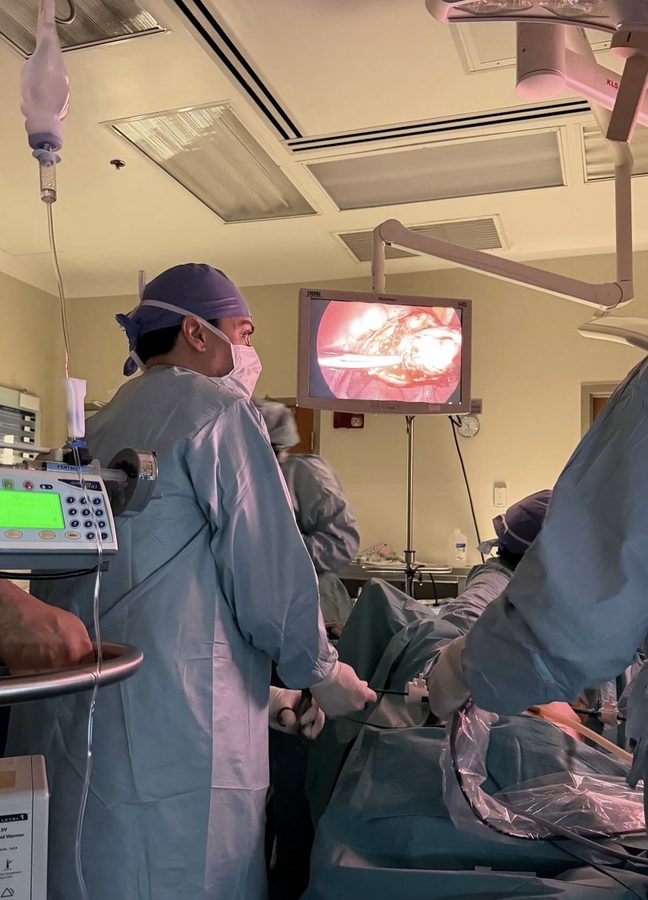
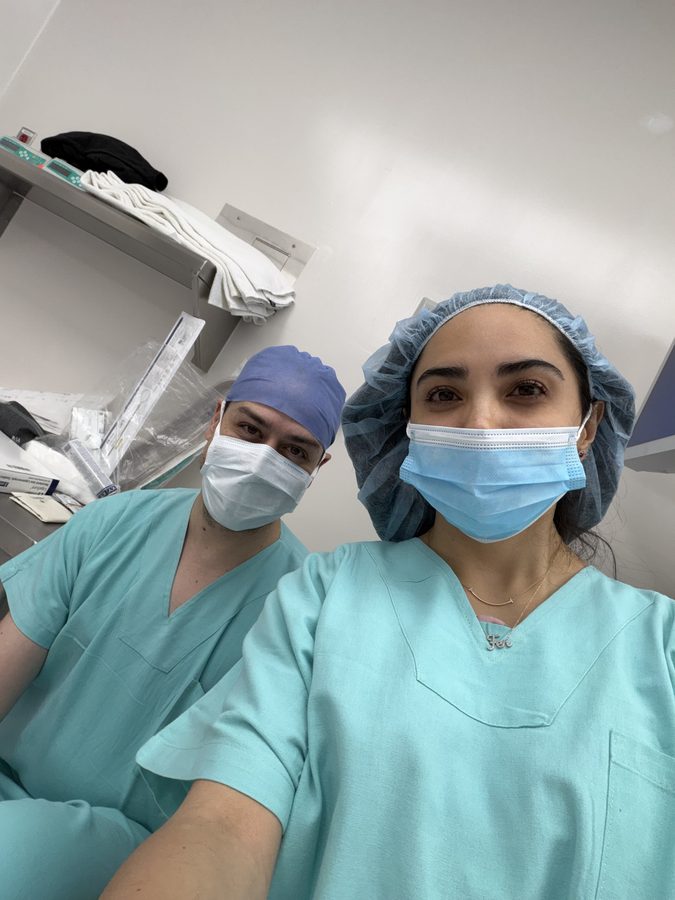
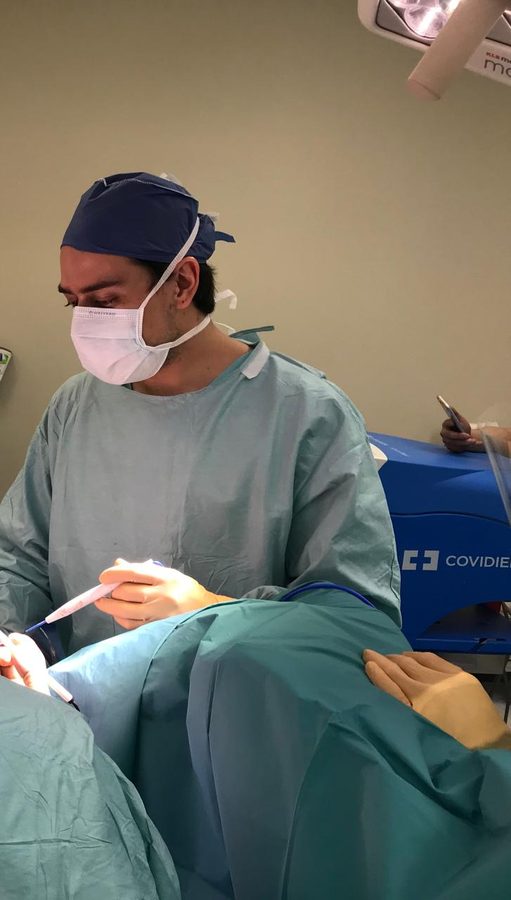


Every case is different. In your assessment we review your history, the necessary tests, the type of procedure and anesthesia, and the recovery care for you. We resolve all your questions calmly and honestly.
Before any procedure, an assessment by a health professional is required.
Book an appointment and we'll explain, step by step, the best option for you.
Book appointment