One of the most complete assisted reproduction techniques: we join the egg and sperm in the laboratory and transfer the embryo to the uterus.
In in vitro fertilization, the egg and sperm are joined outside the body, under controlled laboratory conditions. Once the embryo forms, it is cultured for a few days and then transferred to the uterus to seek pregnancy. It is a treatment personalized to your diagnosis, your age and your medical history.
Before starting any treatment, an assessment by a health professional is required to determine whether IVF is the right option for your case.
Each stage is accompanied by medical follow-up. Timelines and details may vary with your treatment.
Consultation, medical history and tests to understand your situation.
Medication to encourage the development of several eggs, with monitoring.
Follicular aspiration, a brief procedure performed under sedation.
Eggs and sperm are joined in the laboratory.
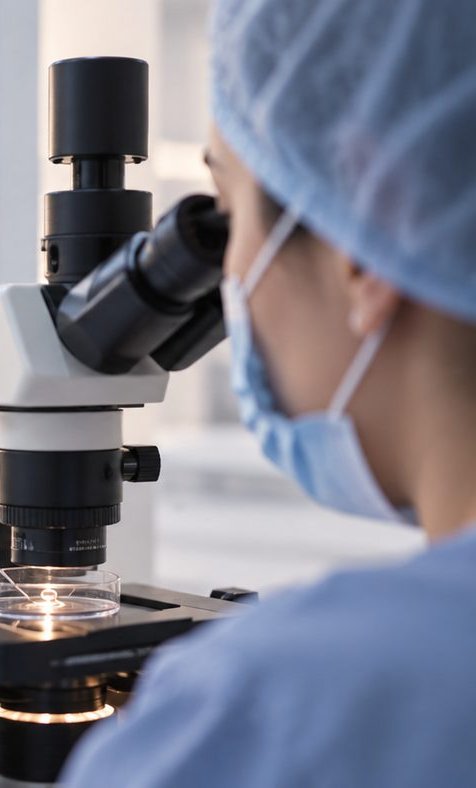
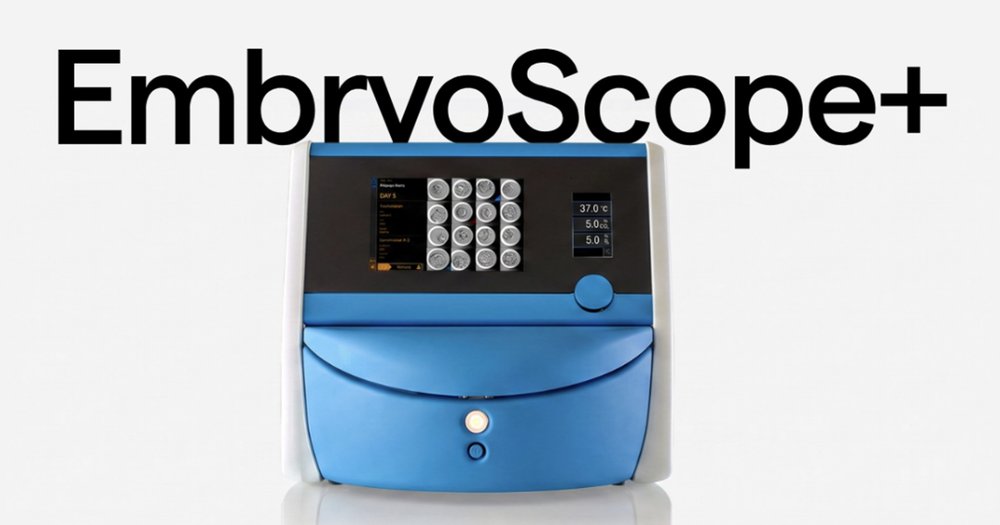
Embryos develop under controlled conditions and monitoring.
The embryo is transferred to the uterus and, after a few days, a pregnancy test is done.
IVF may be recommended in different situations. Your specialist will determine whether it's your best option after the assessment.
It depends on each person and the prescribed protocol. During your assessment we'll explain the estimated timelines for your specific case.
Most stages are well tolerated. Egg retrieval is performed under sedation. Share any questions or discomfort with your doctor.
It varies from case to case. It's not possible to give a single figure valid for everyone; your specialist will assess it with you.
Success rates depend on many individual factors. In the consultation we'll review your situation with real, verifiable clinic data.

Your eggs and embryos are handled and monitored under controlled conditions, with high-level laboratory technology caring for every stage.
We resolve your questions and define whether IVF is the best route for you.
Book appointment